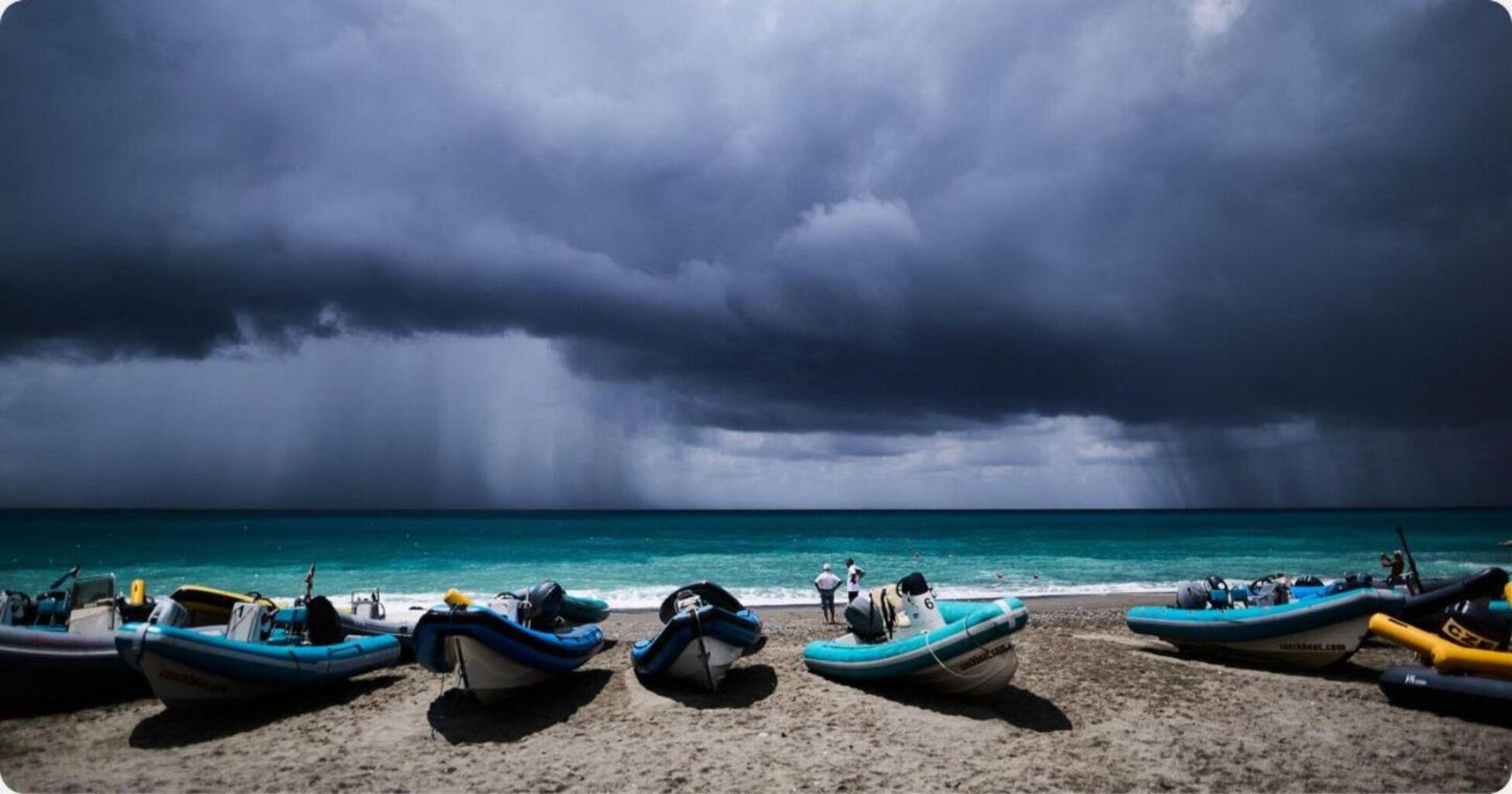
Dalle previsioni al momento della sessione: strumenti che ti aiutano a interpretare il vento e a scegliere il momento giusto per divertirti.
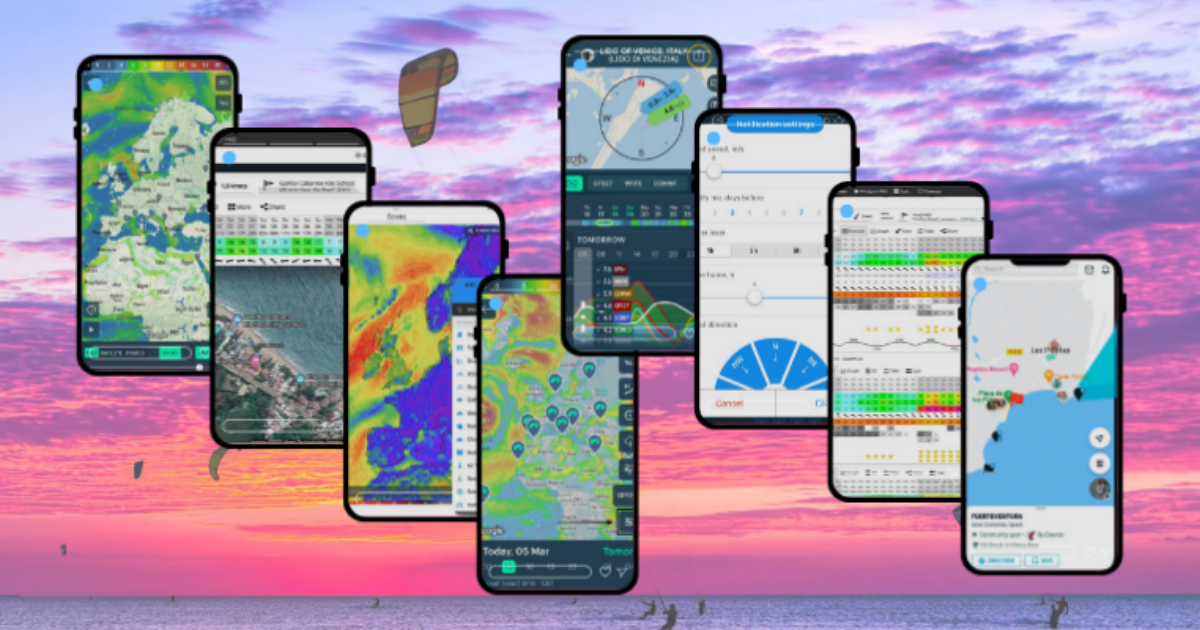
Con tutti gli strumenti per le previsioni meteo e del vento disponibili oggi, è facile finire per passare più tempo a controllare le previsioni che in acqua! ;-)
Delle buone sessioni di kite iniziano prima ancora di arrivare in spiaggia, perché le condizioni del vento e dello spot possono cambiare rapidamente.
Ecco gli ingredienti per goderti ancora di più la tua sessione di kite:
Per i kiter, tutto sta nel leggere il vento, scegliere il momento giusto e anche quale kite gonfiare.
Per gli istruttori, la pianificazione è ancora più importante.
Devi considerare il livello degli allievi, la sicurezza e se le condizioni sono effettivamente adatte alla lezione, l’intensità e la direzione del vento, la marea e persino la temperatura.
Qui ci concentriamo su alcuni degli strumenti indispensabili per controllare il vento e pianificare le sessioni, come Windy, Windfinder, Windguru e SurfSignal.
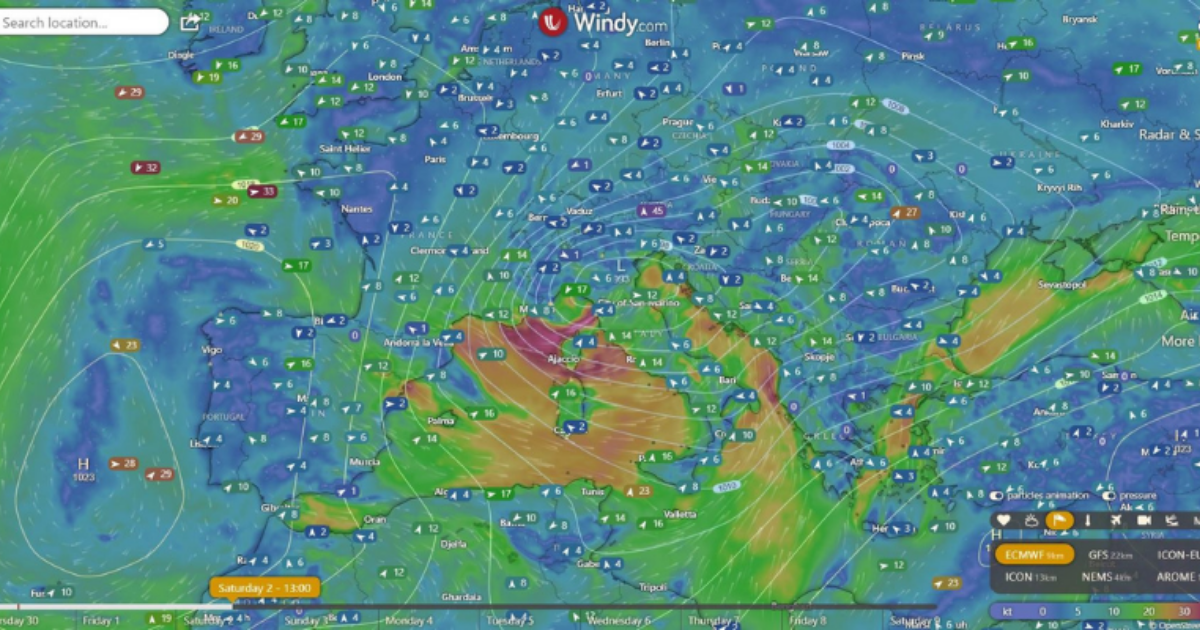
Windy è uno degli strumenti più utilizzati per la pianificazione del vento, e a ragione. Racchiude molte informazioni in un'unica semplice schermata, quindi è facile farsi un'idea veloce della giornata che ci aspetta.
Mostra:
Ciò che rende Windy davvero speciale è quanto sia completo. Combina più di 20 livelli meteorologici e diversi modelli di previsione come ECMWF e GFS, e alcuni modelli di previsione si aggiornano ogni 1-3 ore, il che aiuta i kiter a seguire più da vicino le condizioni meteorologiche in rapido cambiamento. Oggi è utilizzato da milioni di kiter e appassionati di attività all'aria aperta in tutto il mondo.
Per i kiter, Windy è spesso il primo strumento a cui ci si ricorre per verificare se una sessione è fattibile. Aiuta ad avere una visione d'insieme, ad esempio su come il vento potrebbe variare durante la giornata o se la direzione del vento cambierà tra la mattina e il pomeriggio.
Per gli istruttori, diventa un vero e proprio strumento di pianificazione. Aiuta a capire quando le condizioni sono più stabili e adatte alle lezioni, soprattutto quando si ha a che fare con studenti di diversi livelli.
Non è perfetto e non racconta mai tutta la storia. Gli effetti locali possono comunque cambiare tutto una volta che sei in spiaggia. Ma ti offre un solido punto di partenza per qualsiasi decisione.
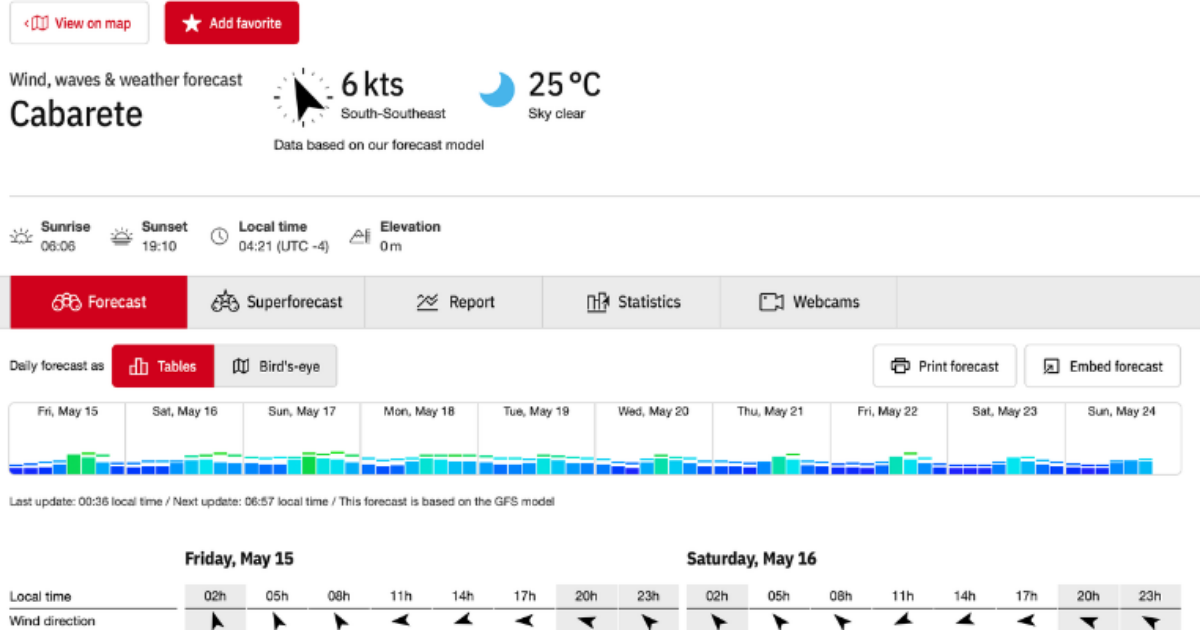
Windfinder viene spesso utilizzato quando i kiter vogliono entrare nel dettaglio di uno spot specifico. Non si tratta tanto del quadro generale, quanto piuttosto di ciò che sta accadendo proprio nello spot in cui si desidera navigare.
Ti aiuta a capire rapidamente:
Windfinder è particolarmente apprezzato per l’enorme quantità di spot disponibili e per la presenza di molte stazioni meteo live. La piattaforma copre oltre 160.000 spot in tutto il mondo, oltre a più di 20.000 stazioni meteorologiche e webcam in tempo reale, il che la rende molto vicina a ciò che sta realmente accadendo in spiaggia.
Per i kiter, Windfinder è spesso l'app che risponde alla domanda "vado o no?". È veloce, semplice e molto focalizzata sugli spot.
Per gli istruttori, è utilissima per controllare lo spot esatto in cui si terrà la lezione. Piccoli cambiamenti nella direzione o nell’intensità del vento possono fare una grande differenza per una lezione.
Dà il meglio quando viene usato come verifica dello spot dopo aver guardato una previsione più ampia. Non sostituisce gli altri strumenti, ma aiuta a capire meglio quando vale davvero la pena entrare in acqua.
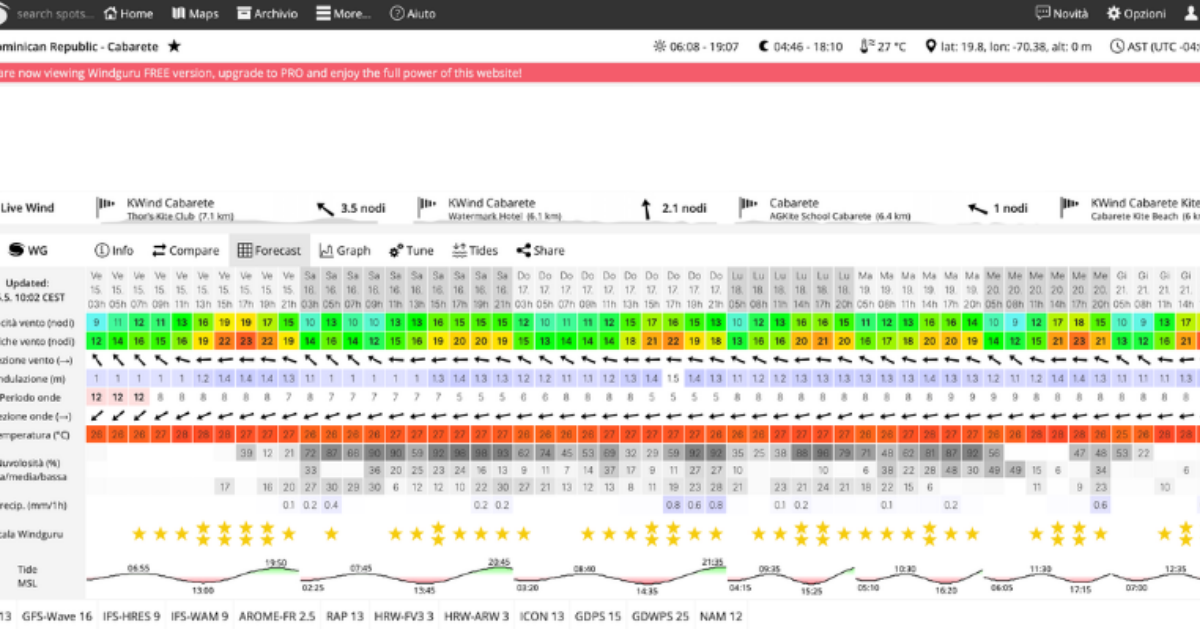
Windguru è ben noto nella comunità del kite per un motivo principale: mostra diversi modelli di previsione affiancati.
Invece di darti una sola previsione, ti permette di confrontare le letture dei vari modelli sul vento.
Puoi controllare:
Windguru è diventato un vero e proprio classico nel mondo del kite, specialmente in Europa. Il suo design old-school è in realtà parte del suo fascino, e molti rider continuano a fidarsi di questo strumento perché si concentra sui dati grezzi delle previsioni, invece che su grafiche più “scenografiche”.
Aiuta anche i rider a capire meglio le condizioni di vento rafficato, dove le raffiche possono essere anche del 30–40% più forti rispetto al vento medio: un fattore che può influire in modo importante sulla sicurezza, sulla scelta del kite e sulla qualità del vento.
I kiter lo usano spesso per fare un doppio controllo dopo aver guardato altre app. Aiuta a ridurre le sorprese e dà un po' più di sicurezza prima di pianificare una sessione.
È anche utile ricordare che le previsioni del vento più affidabili sono solitamente quelle relative alle 24-48 ore successive. Il confronto tra diversi modelli diventa ancora più importante quando si pianificano sessioni con diversi giorni di anticipo.
Per gli istruttori, è uno strumento per valutare il rischio. Quando i modelli non concordano, di solito significa che le condizioni sono meno stabili. Questo è importante quando si pianificano lezioni con studenti di diversi livelli.
All’inizio richiede un po’ di pratica, ma poi diventa uno strumento molto potente.
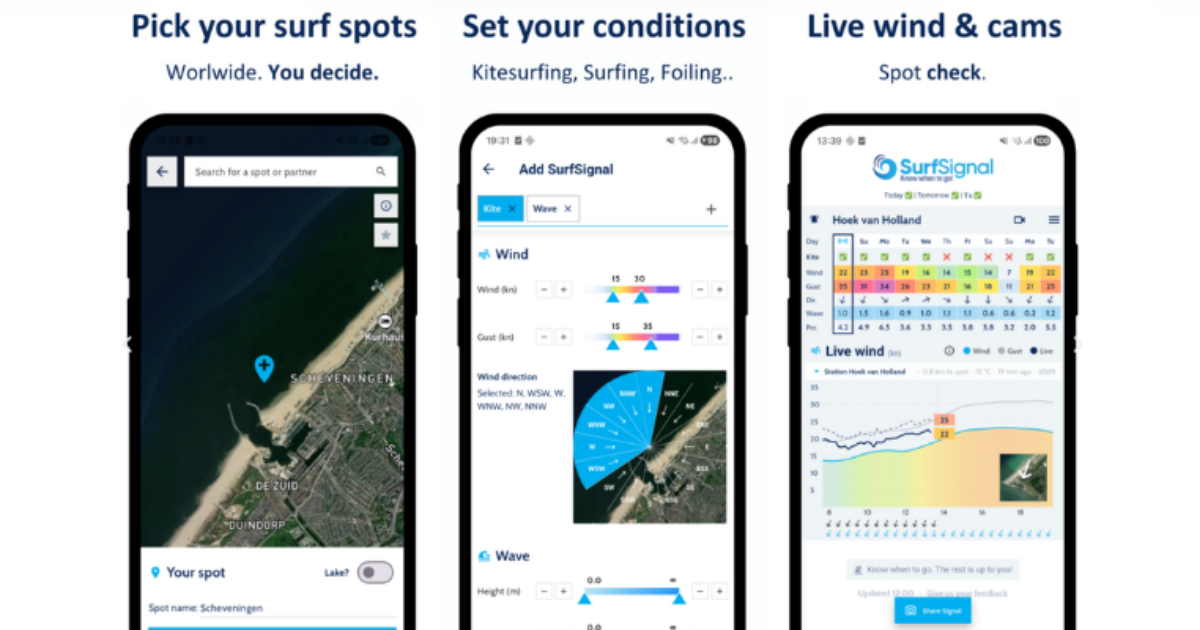
SurfSignal adotta un approccio diverso. Invece di concentrarsi solo sulle previsioni, aiuta a trasformare i dati sul vento in decisioni chiare.
Non ti limiti a guardare il vento. Definisci ciò che conta per te.
Puoi:
SurfSignal fa parte di una nuova generazione di strumenti che passano dalla "lettura delle previsioni" al "supporto decisionale". Invece di mostrare tutto, cerca di eliminare le informazioni superflue e mettere in evidenza solo ciò che conta davvero per la tua sessione.
Per i kiter, questo è molto utile. Aiuta a fare più chiarezza e a capire subito quando le condizioni sono davvero buone per entrare in acqua. Invece di controllare 2-4 app diverse tutto il giorno, i rider possono impostare degli avvisi e aspettare che siano le condizioni giuste a “trovare loro”.
In molti spot, le condizioni veramente buone per fare kite possono durare solo 1-3 ore durante la giornata, quindi il tempismo può fare un'enorme differenza.
Per gli istruttori, può supportare la pianificazione e la comunicazione. Le scuole possono impostare gli spot di insegnamento e condividere le condizioni con gli studenti. Questo aiuta gli studenti a rimanere più connessi al processo di apprendimento tra una lezione e l’altra.
Non si tratta tanto di leggere grafici, quanto piuttosto di semplificare le decision.
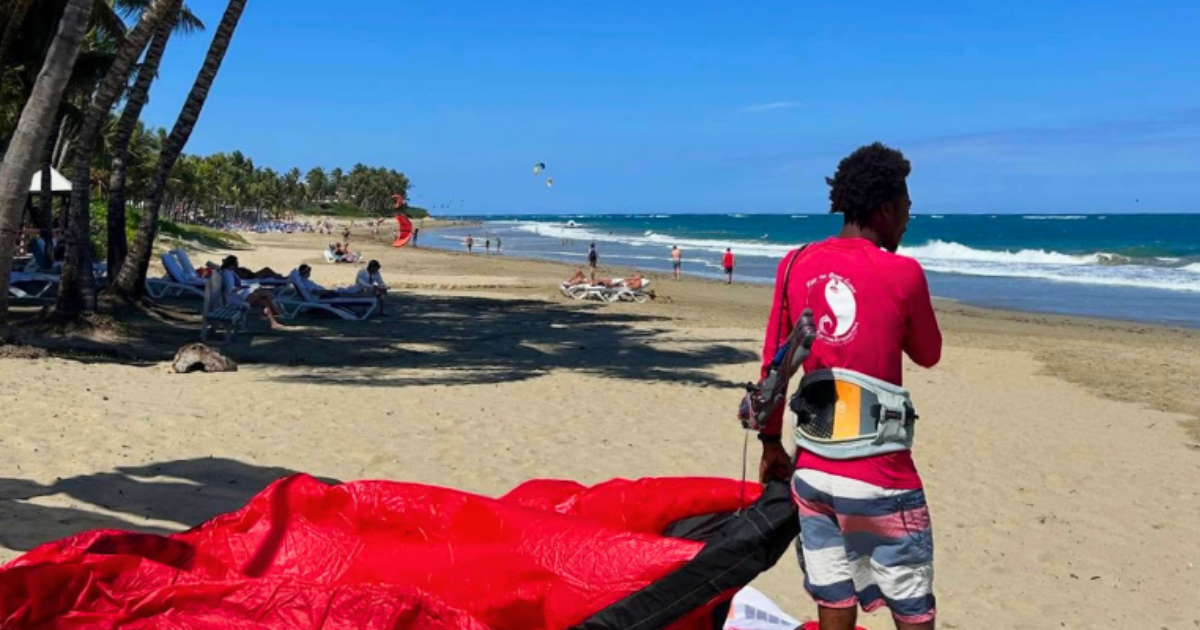
Non esiste un'unica app perfetta per il kiteboarding.
Ogni strumento ha un ruolo diverso. Alcuni ti aiutano a vedere il quadro generale. Altri servono a controllare uno spot specifico. Altri ancora ti permettono di confrontare i modelli. E altri ti aiutano a trasformare il vento in una decisione chiara.
Usati insieme, questi strumenti aiutano i rider a dedicare meno tempo alle congetture e più tempo in acqua, con meno dubbi, un tempismo migliore e sessioni più soddisfacenti.
Ma alla fine, le app sono solo strumenti di supporto.
La vera abilità rimane la stessa: imparare a leggere il vento, l'acqua, le nuvole e le condizioni con l'esperienza.
L’obiettivo è semplice: prendere decisioni migliori prima di entrare in acqua e passare più tempo a navigare.