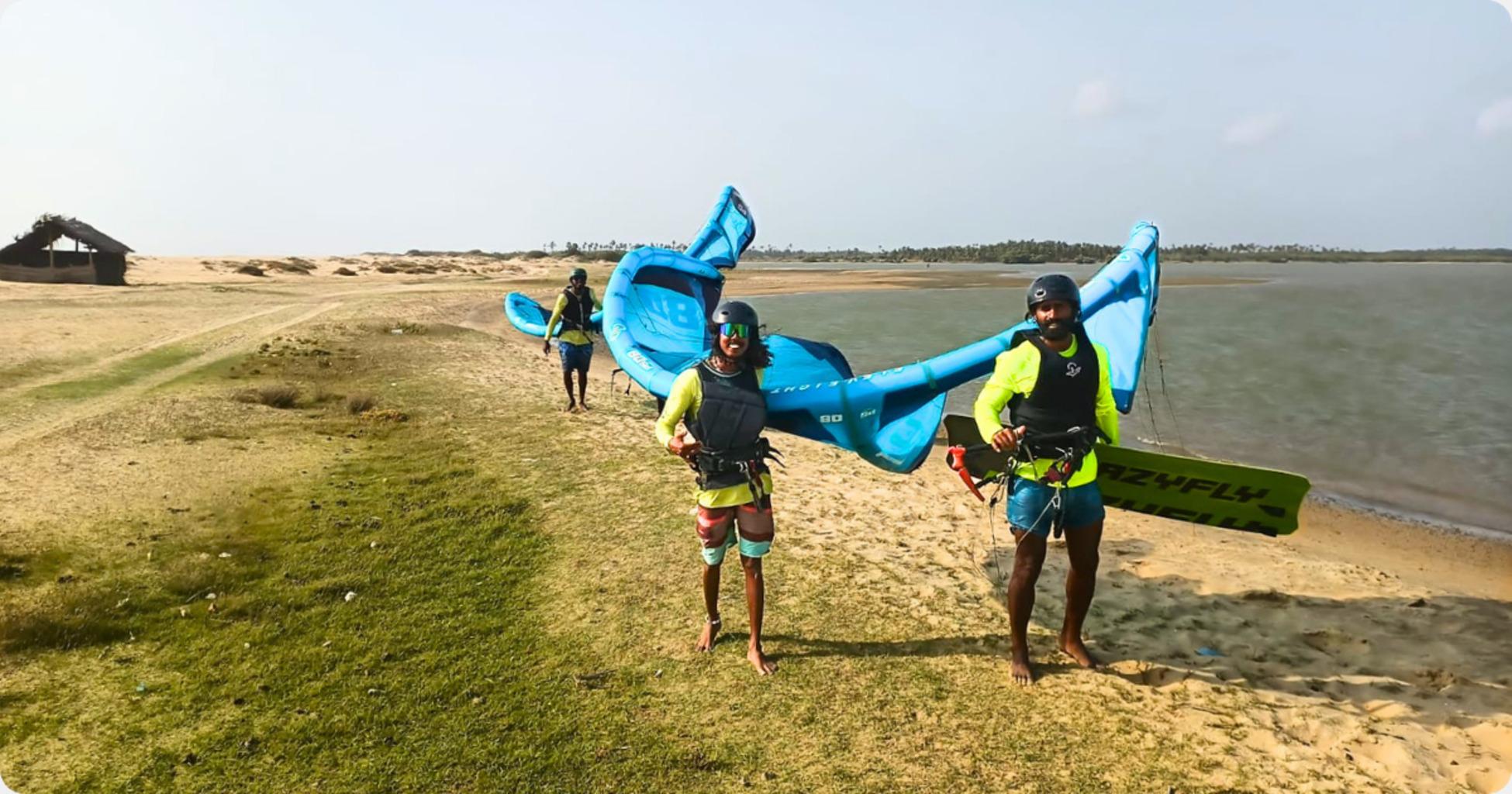
Let's be honest. Still calling it the Walk of Shame? Then you're probably still wearing boardshorts over your wetsuit too. ;-)
Hey, no judgment — it's just what everyone used to call it.
In the early days of kiteboarding, the goal was simple: stay on the board as long as possible, no matter how messy it looked.
Kiteboarding has evolved. Teaching has evolved too.
Today, a great lesson isn't measured by how far you ride. It's measured by how much you learn after every attempt.
That's why the walk back upwind isn't the boring part of the lesson. It's one of the most important parts. If you still see it as wasted time... you're about to change your mind.
Here's another old-school classic. "If you want to get better, just keep trying." Sounds familiar? So is thinking the walk back upwind is just because you failed.
Here's a better question: would you rather ride for ten minutes repeating the same mistake, or stop after one minute, understand what happened, and improve on your very next attempt?
If you still think more riding automatically means more learning, you're confusing practice with progress.
Learning doesn't come from collecting more seconds on the board. It comes from understanding what happened after each attempt.
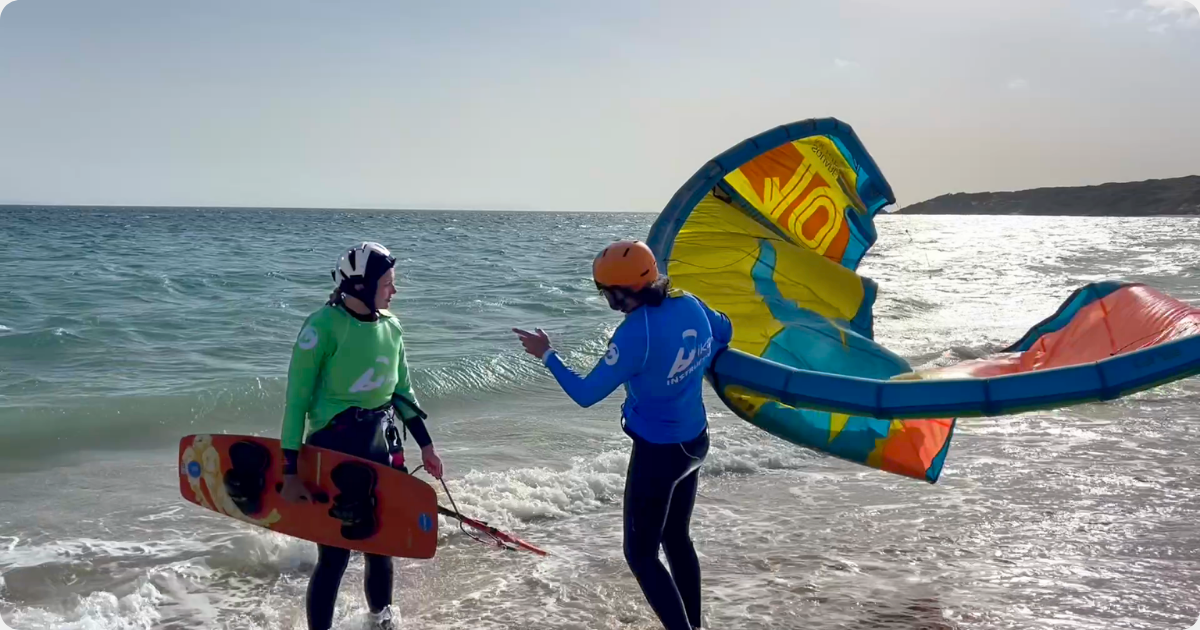
That's why, during an IKO lesson, the walk back to the starting point isn't a break. It's where the student and instructor review the last run together. The student shares what they experienced, the instructor provides feedback and any necessary corrections, and together they prepare for the next attempt.
One attempt. One feedback. One improvement. Repeat.
Repeat that cycle 20 to 30 times during a lesson, and it's easy to understand why IKO students progress so quickly.
Bigger teaching zone, better lesson? That's the myth. Here's why it's wrong.
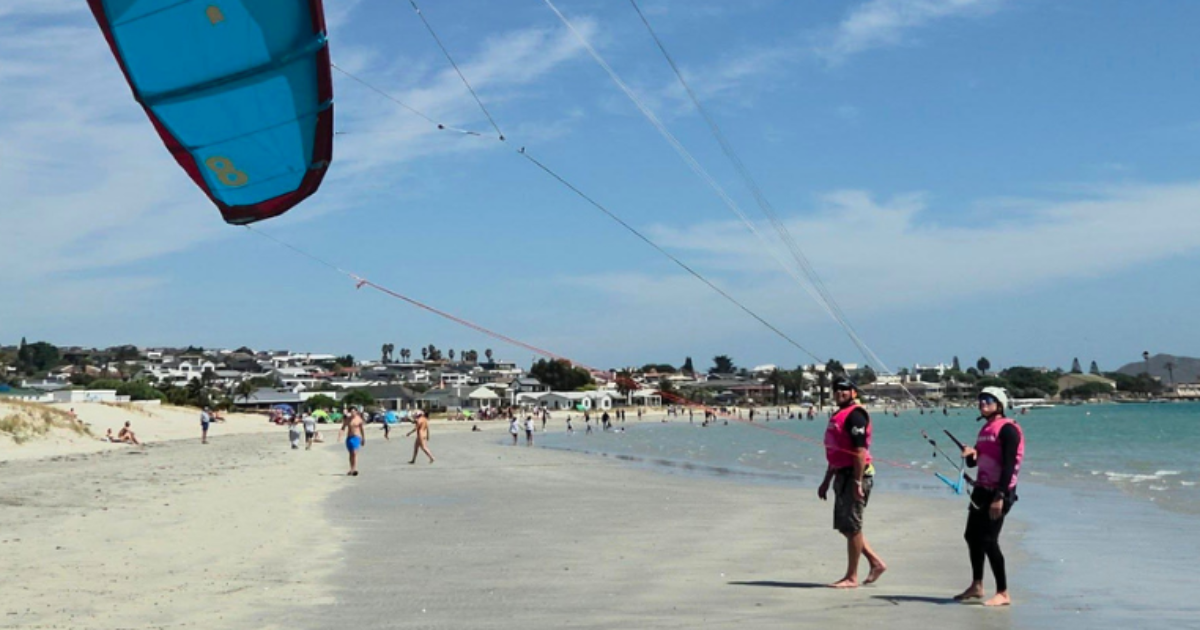
A shorter teaching zone means students come back to the instructor more often — and that's exactly the point. More returns mean more feedback. More feedback means fewer bad habits.
A beginner may ride for only 30 to 60 seconds before stopping. Old school? Maybe that sounds too short.
Smart teaching? Absolutely — because correcting one mistake right away is worth a lot more than letting it turn into a habit for another five minutes. That's exactly the method IKO Instructors use.
There are over 900 kiteboarding schools across the globe. 350+ can call themselves IKO Centers. Guess which ones actually count the seconds.
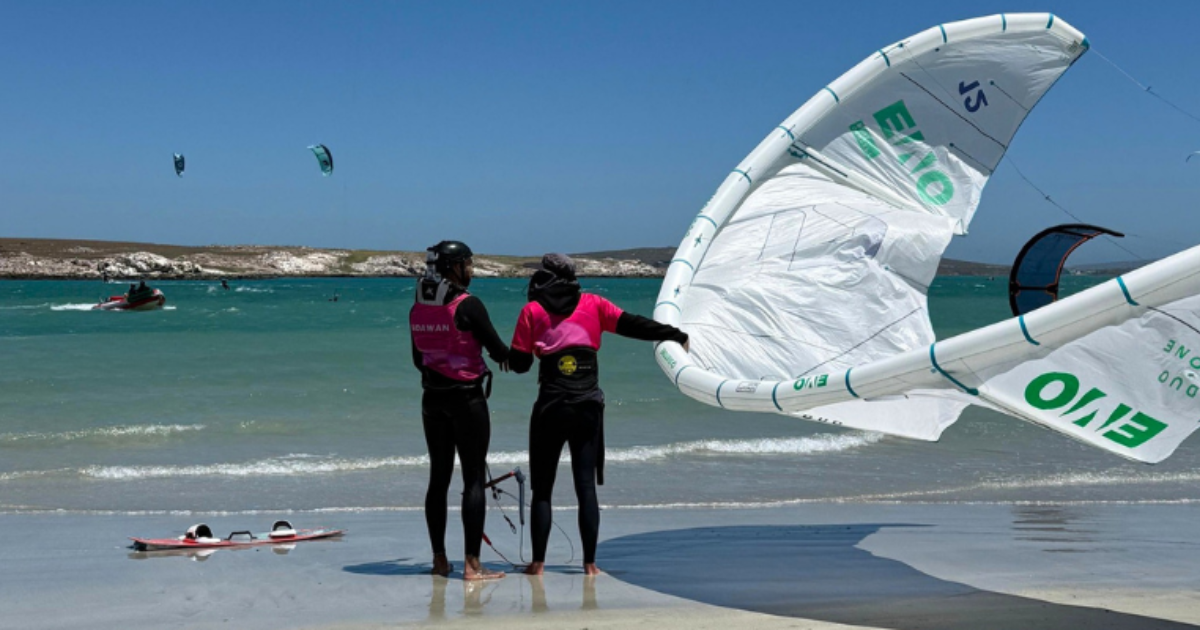
Good question. A lot of schools use radio helmets to correct students mid-ride, in real time. So why walk back at all?
Because hearing "kite too low" while you're riding and understanding WHY it happened are two very different things.
Radio gives you an instruction in the moment. It fixes the ride. The beach debrief gives you understanding. It fixes the kiter.
On the water, you're focused on staying up, controlling the kite, not losing your balance — and having fun. There's no time to process why something went wrong — only time to react to what you're told. On the beach, there's time to actually think. To ask questions. To connect what you felt with what happened.
That's the real value of the walk. It's not about instructions. It's about thinking back on what happened. And that's what turns a mistake into something you actually remember.
The radio isn't the problem. Like any tool, it's only as good as how it's used — and nothing said through a radio replaces a real conversation on the beach.
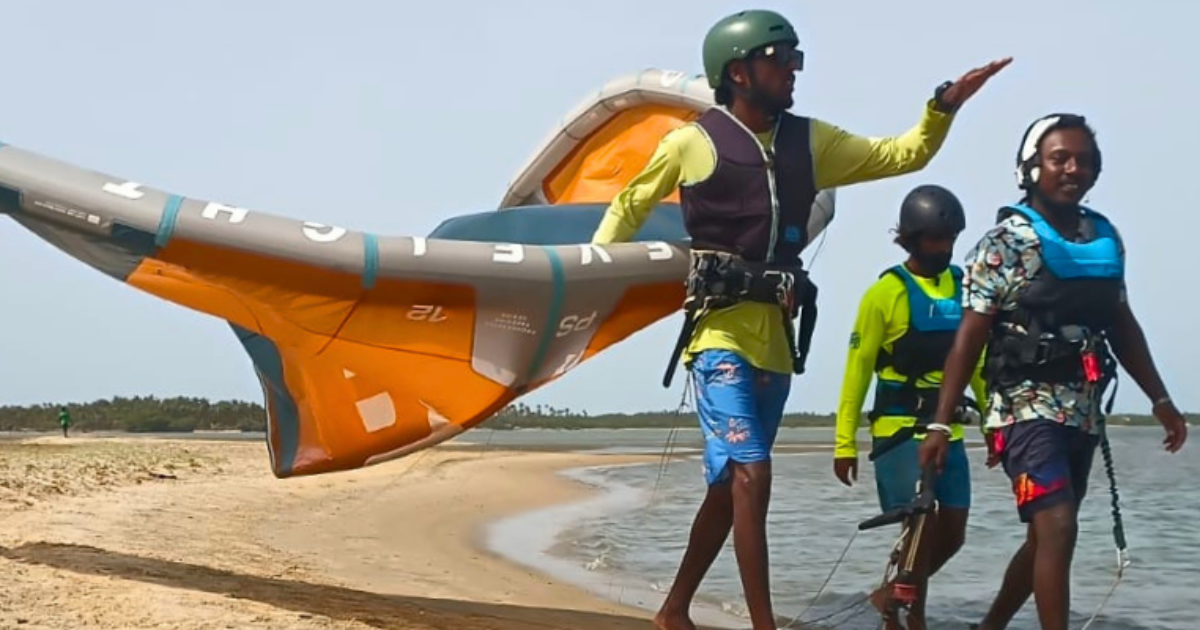
In 2008, Naish launched the Sigma kite: bat-shaped, zigzag leading edge, and the promise to revolutionize kiteboarding. Spoiler: no other brand ever copied it — it vanished within two seasons. Improvised instructors who just tell you to “go again”? Still around.
A good IKO Instructor waits for your self-evaluation first, then — only if needed — explains WHY the last attempt didn't work. That's the difference.
Because once you understand the mistake, you stop guessing. You stop hoping the next run will magically be better. You start seeing the problem for yourself.
You notice when the kite is too low. You feel when your body position needs adjusting. You correct it before anyone has to say a word. That's what becoming an independent kiter is all about.
The best instructors don't create students who depend on the radio in their helmet. They create kiters who don't need it anymore.
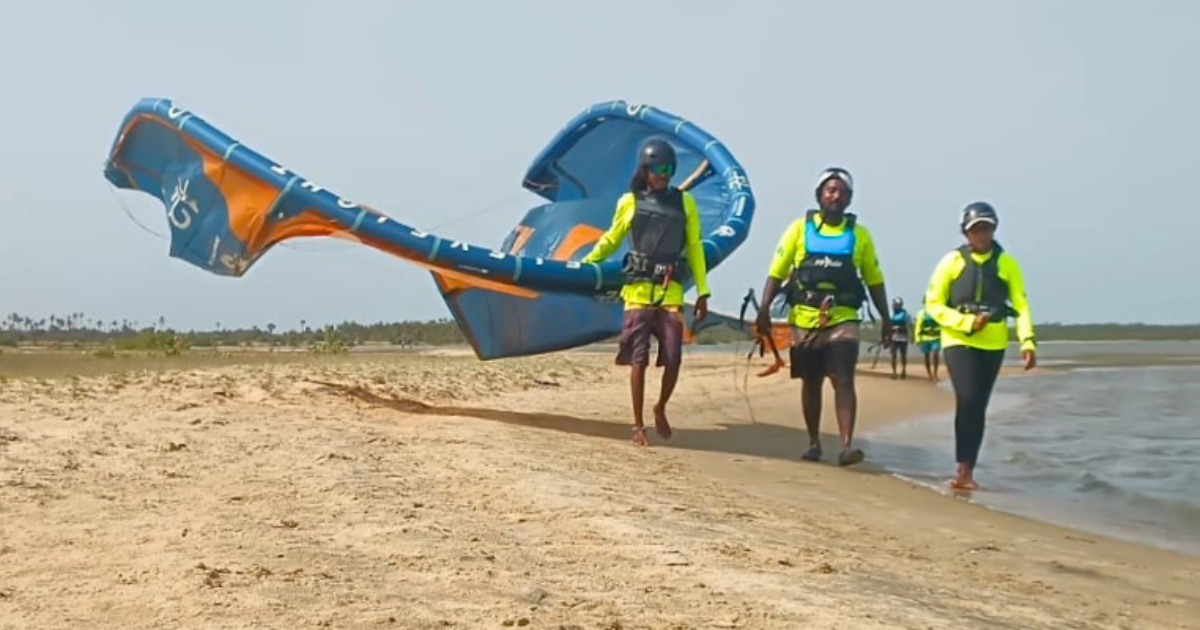
So... is it really a walk of shame?
The walk hasn't changed. The mindset has. It's not 2005 anymore. Back then, the walk back upwind was just the price you paid for falling.
Today, it's where real progress happens. And IKO has a name for it: the Walk of Teaching. Not because it sounds nicer. Because it's true.
Every step back upwind, your instructor helps you understand what just happened — not so you'll ride longer next time, but so you'll ride smarter.
One day, you stop needing someone else to point out the mistake. You notice it yourself. You correct it yourself. You prepare differently before you even ask.
That's the real goal of learning with an IKO Instructor: not just to teach you how to ride, but to teach you how to keep improving on your own, becoming a real independent kiter.
The ride gives you the experience. The walk turns it into learning.
Whatever you call it, that walk back upwind is where you actually get better. ;-)